Curbside Food Scrap Pickup in Madison
Turn your kitchen scraps into healthy local soil — curbside pickup starting at $15/month.
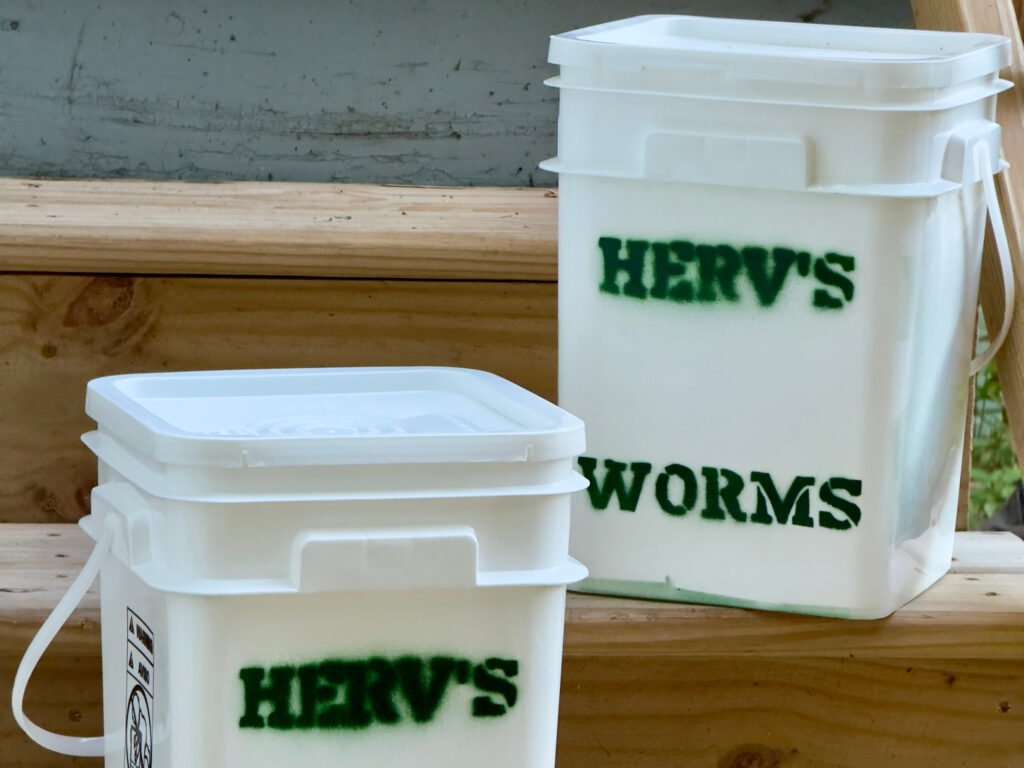
I offer weekly curbside food scrap pickup in Madison. Your kitchen scraps go into a bucket, I collect them, and together we turn waste into compost that feeds local soil. Join as a Founding Member for just $15/month and help launch a community-powered composting service.
How do I get involved?
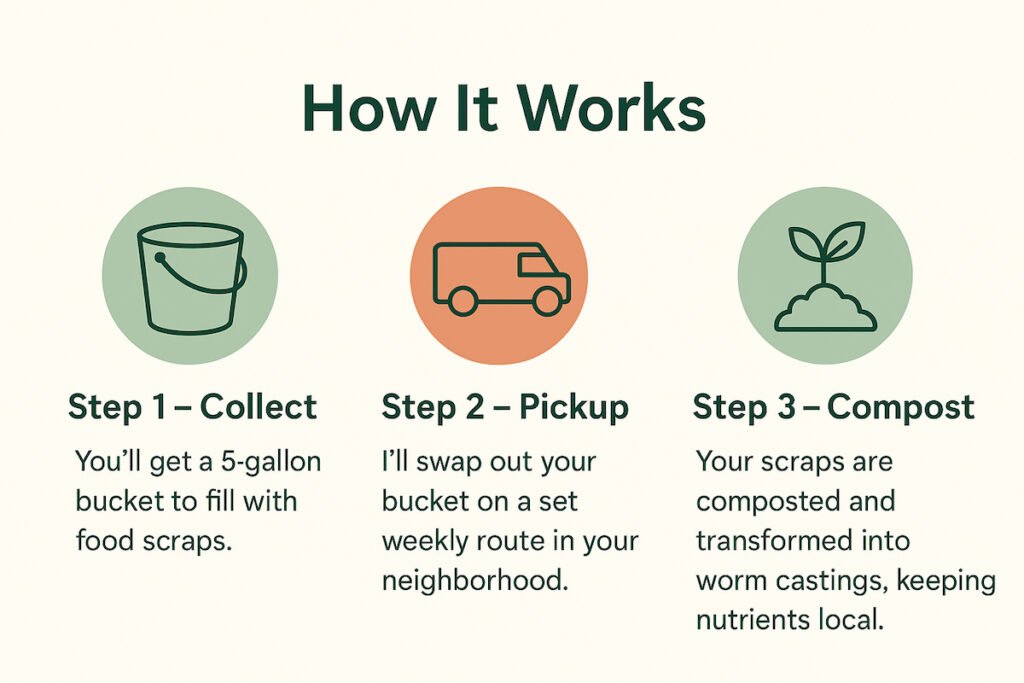
Curbside composting is simple. With just a bucket, a weekly swap, and a little help from worms, your food scraps stay out of the landfill and go back into the soil where they belong. It’s a small habit that makes a big difference for our community.
Founding Member Discount
I’m offering the first 20 households a special $15/month rate for weekly pickup. This discounted rate is locked in for your first year.
Service area: 53703, 53703, 53714.
Future signups will be at $18-20/month, so now’s the best time to join.
Why It Matters (Why worms?)
I run Herv’s Worms and Landscaping, and I’ve seen how much value food scraps have when they’re recycled into healthy soil. By starting this pickup service, I’m keeping food waste out of landfills and turning it into compost that supports local gardens.
This is a hyper-local, community-driven effort – just me, a truck, and some buckets – to make Madison a little greener.
Frequently Asked Questions
Q: What can go in the bucket?
You can place most food scraps, yard trimmings, and food-soiled paper in your bucket:
✅ Food waste – fruit, vegetables, pasta, grains, rice, beans, meat, bones, dairy, eggshells, and prepared food.
✅ Yard waste – grass, leaves, plants, and small branches.
✅ Food-soiled paper – napkins, coffee grounds and filters, tea bags, and paper plates.
🚫 Do not include – trash, film or packaging, cans, oil or grease, glass, cardboard, plastic bags, or diapers.
Q: What do I do with the bucket after pickup?
Just rinse it with water and it’s ready for the next week.
Q: What neighborhoods are included?
For now, service is limited to 53703, 53704, and 53714.
Q: What happens to my food scraps?
They’re composted using both worm bins and aerated static piles. The finished product enriches local soils and gardens.